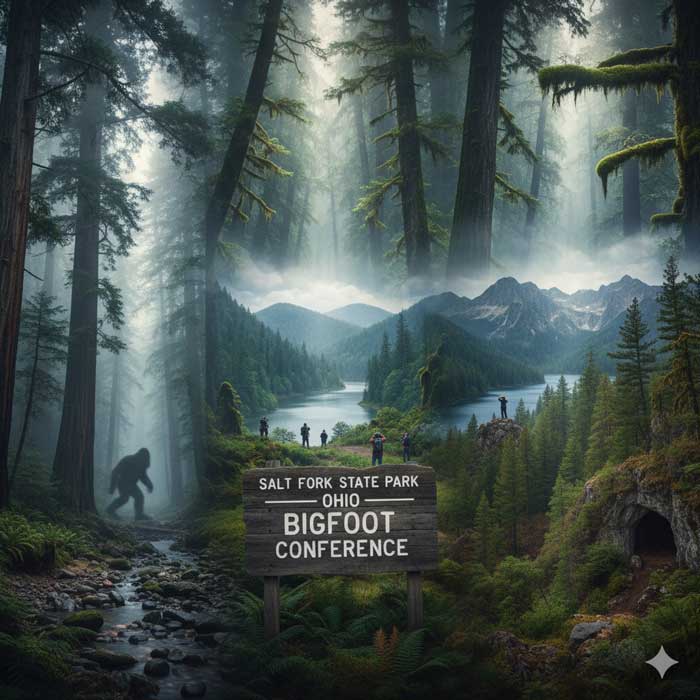
Gearing Up for Sasquatch: The Essential Bigfoot Hunter’s Checklist
The call of the wild is strong for a Bigfoot enthusiast. The rustle of leaves in the dead of night, the distant snap of a twig, the feeling of being watched in a silent forest—these are the moments that fuel the search for the legendary Sasquatch. But venturing into the deep woods unprepared is a recipe for a bad time, not a groundbreaking discovery. A successful Bigfoot expedition requires more than just passion; it demands preparation, the right gear, and a healthy respect for the wilderness. Whether you’re a seasoned researcher or a curious newcomer, this essential checklist will ensure you’re ready for whatever the forest throws your way.
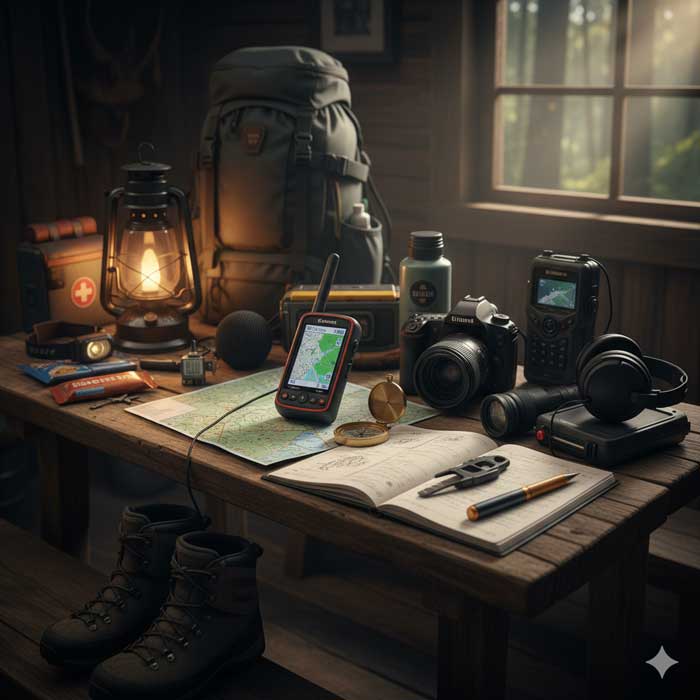
First and foremost is navigation. The areas where Bigfoot is most often reported are vast, remote, and often have unreliable cell service. A high-quality GPS unit is non-negotiable. Look for one with detailed topographic maps and a long battery life. However, technology can fail, so a traditional compass and a physical map of the area are crucial backups. Knowing how to use them is just as important as having them. Before you head out, study the terrain, identify landmarks, and let someone know your planned route and expected return time.
Next up is your evidence-gathering toolkit. This is where the real fun begins. A good quality camera with a powerful zoom lens is essential for capturing potential sightings from a distance. In the low-light conditions of the forest, a camera with excellent night vision capabilities or a separate night vision monocular can be a game-changer. To document those iconic footprints, you’ll need a track casting kit. These typically include plaster or dental stone, a mixing bowl, and something to form a border around the print. Don’t forget a tape measure and a notebook to document the dimensions and details of any potential find.
Audio recording equipment is another vital component of the modern Bigfoot hunter’s arsenal. Many researchers believe that the key to proving Bigfoot’s existence lies in capturing its vocalizations—the eerie howls, whoops, and wood knocks reported by witnesses. A parabolic microphone can help you isolate and amplify distant sounds, while a digital audio recorder can run for hours, capturing the ambient sounds of the forest while you rest.
Beyond the specialized gear, standard outdoor and survival equipment is a must. Dress in layers to adapt to changing weather conditions, and always wear sturdy, waterproof hiking boots. A reliable backpack will carry all your essentials, including a well-stocked first-aid kit, a multi-tool, a powerful flashlight or headlamp with extra batteries, and fire-starting materials. High-energy food and a water filter or purification tablets are also critical for staying fueled and hydrated on the trail.
Finally, and perhaps most importantly, is the right mindset. Patience is the ultimate tool in the search for Bigfoot. You can spend days, even weeks, in the woods and see nothing out of the ordinary. The key is to remain observant, persistent, and respectful of nature. Practice “Leave No Trace” principles, packing out everything you pack in. The goal is to observe, not to disturb. The wilderness is Bigfoot’s home, and we are merely guests.
Gearing up for a Bigfoot expedition is an exciting process. It’s about more than just buying equipment; it’s about preparing yourself for an adventure into the heart of one of North America’s greatest mysteries. With the right gear and a spirit of respectful inquiry, you’ll be ready to follow the trail and, just maybe, come back with a story to tell.