The Enduring Legend of Bigfoot: Why We’re Still Searching
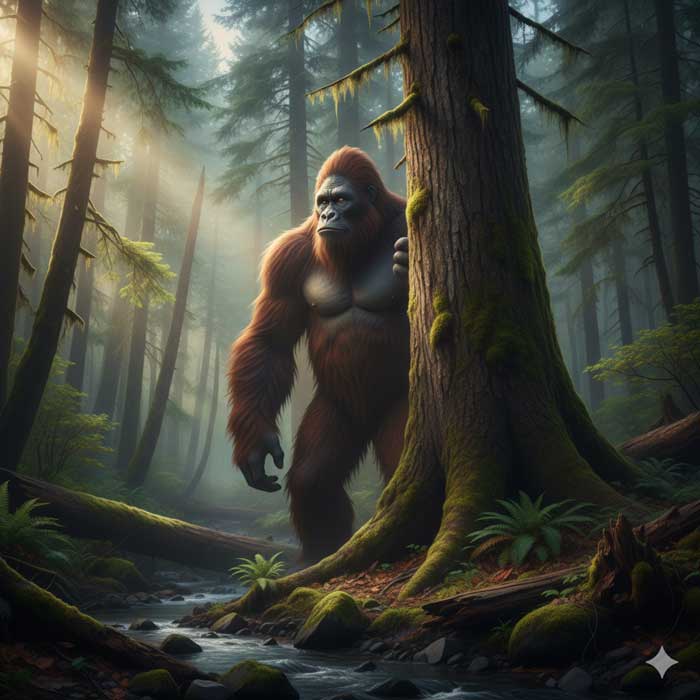
The dense, mist-shrouded forests of the Pacific Northwest hold many secrets, but none so captivating as the legend of Bigfoot. For centuries, tales of a large, ape-like creature roaming the wilderness have been passed down through generations, evolving from Indigenous folklore to a modern-day cultural phenomenon. But what is it about this elusive beast, also known as Sasquatch, that continues to fascinate us? Why, in an age of satellite imagery and DNA analysis, does the search for Bigfoot not only endure but thrive?
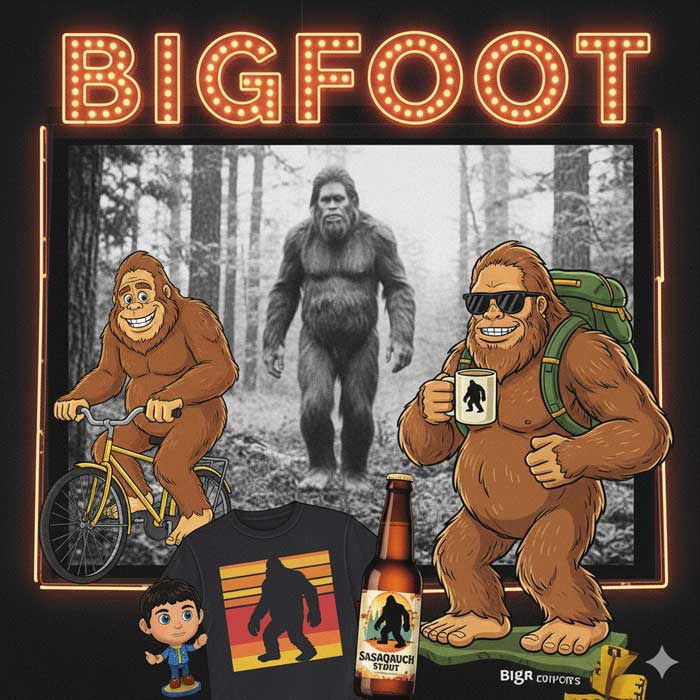
The roots of the Bigfoot legend run deep in North American history. Many Indigenous tribes of the Pacific Northwest have stories of a “wild man of the woods,” a towering figure that is both a part of the natural world and something beyond it. These stories weren’t meant as simple campfire scares; they were complex narratives about nature, respect, and the unknown. The name “Sasquatch” itself is an Anglicization of the Salish word “Sasq’ets,” which speaks to the deep cultural origins of the creature. It wasn’t until the 1950s that the term “Bigfoot” entered the popular lexicon, sparked by large, mysterious footprints found at a construction site in California. This event ignited a media firestorm, catapulting the creature from regional folklore to national celebrity.
One of the most significant moments in Bigfoot history is the 1967 Patterson-Gimlin film. This short, grainy clip, allegedly showing a female Bigfoot striding across a creek bed in Northern California, remains the most debated piece of evidence in the cryptozoological world. Skeptics have long dismissed it as a man in a gorilla suit, yet many experts, from primatologists to film analysts, have argued that the subject’s gait and anatomy would be incredibly difficult to fake. This single piece of footage has fueled countless expeditions and documentaries, keeping the dream of a definitive discovery alive for decades.
The search for Bigfoot is more than just a hunt for a mysterious animal; it’s a quest for a deeper connection with the natural world. In our increasingly digital and urbanized lives, the idea that there are still vast, unexplored wildernesses harboring undiscovered species is a powerful and alluring one. Bigfoot represents the ultimate untamed frontier, a symbol of nature’s enduring power and mystery. For many enthusiasts, heading into the woods in search of Sasquatch is a way to disconnect from the modern world and reconnect with something primal and authentic.
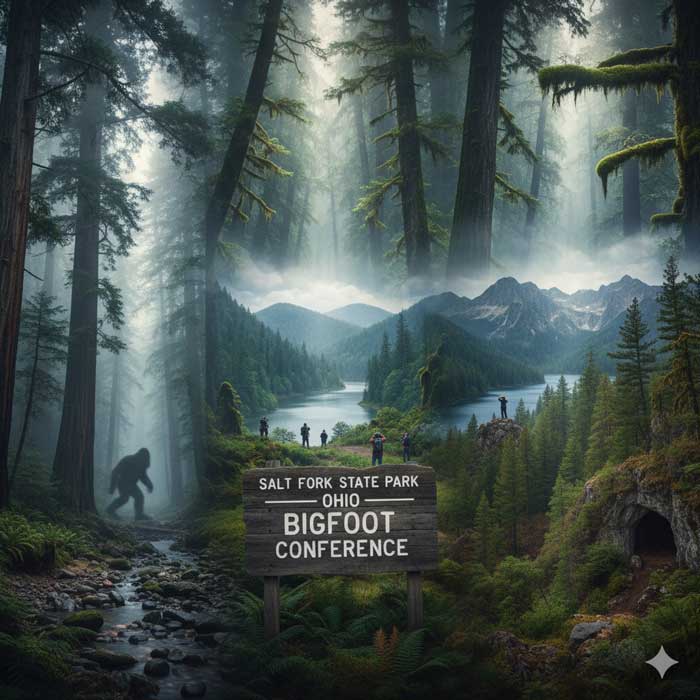
The community of Bigfoot researchers and enthusiasts is a diverse and passionate one. From weekend hobbyists with plaster casting kits to dedicated scientists employing advanced technology like thermal imaging and audio analysis, the search takes many forms. They share evidence, debate theories, and gather at conferences, all united by a common belief that there is something out there waiting to be found. This sense of community and shared purpose is a powerful force, creating a subculture that is as fascinating as the creature it seeks.
So, why does the legend of Bigfoot endure? It’s a combination of compelling anecdotal evidence, the tantalizing possibility of a groundbreaking scientific discovery, and a deep-seated human need to believe in the mysterious. Bigfoot represents the ultimate unknown, a reminder that the world is still full of wonders waiting to be discovered. And until the day definitive proof is found, the search will continue, fueled by the passion of those who dare to look into the shadows and wonder what might be looking back.